Bridges 2026 Event Review
This year's conference and exhibition welcomed over 170 delegates and 66 exhibitors across two days at its regular home, the CBS Arena in Coventry. The event brought together bridge engineers, consultants, contractors and suppliers for two days of highly practical, informed, and relevant discussion, debate and networking.
A practical focus on real-world challenges
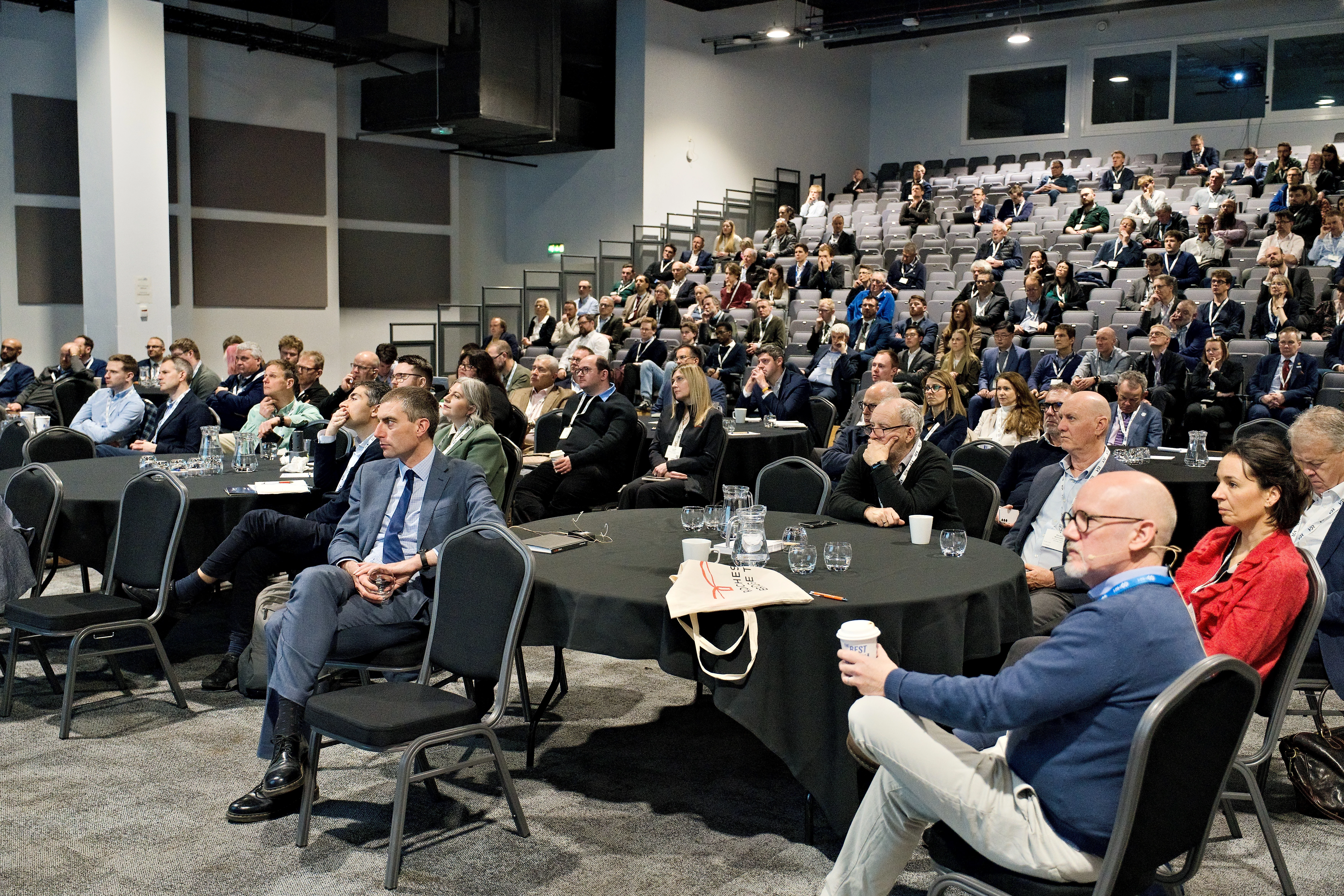 With a mix of high-level decision-makers and technical practitioners in the room, the programme focused on the real-world challenges facing the sector – particularly the asset management demands of the UK’s ageing bridge stock. Presentations and discussions were grounded in practical experience, offering insight into what is working now, where the pressures lie, and how different organisations are responding.
Asset management under pressure
A key thread throughout was asset management, reflecting the complexity of maintaining an ageing bridge stock under growing operational and financial pressure. The Port of London Authority is a case in point, managing over 60 bridges over the River Thames and supporting around one million vessel movements every year. Business growth and development lead for the organisation, John Dillon-Leetch, highlighted the shift, over his 30-year career, from traditional methods to multibeam sonar, drones and LiDAR. However, these advances do not remove the need for human judgement in deciding what information to share and how. As he put it: “We can give them levels of information, but we have to provide the right level of data to whoever has to transit that bridge.” Crucially, this data also supports more informed asset management decisions.
Closing the information gap
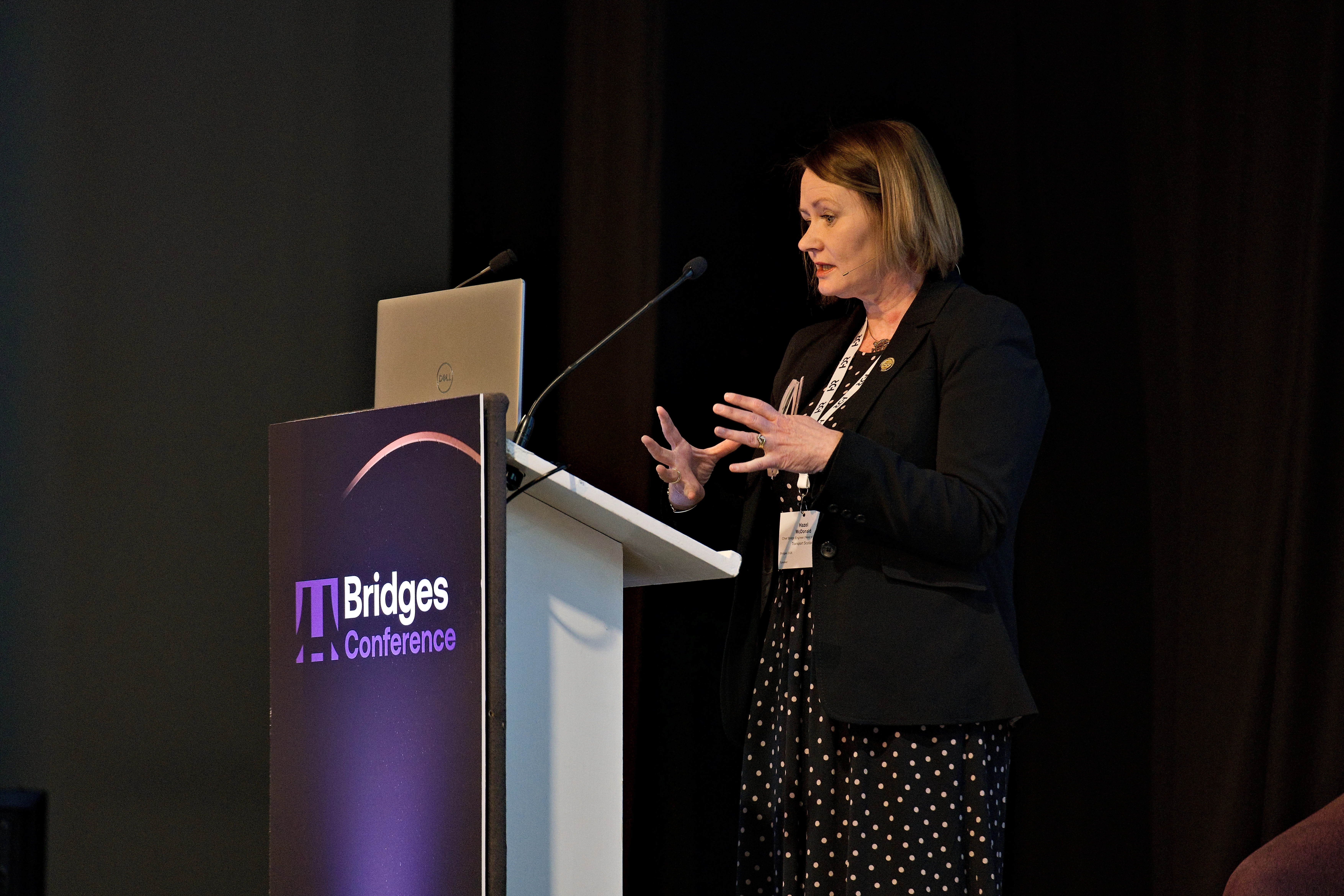 In some instances, there is a significant information gap that severely hinders the decision-making process, as highlighted by Hazel McDonald, chief bridge engineer (head of structures) at Transport Scotland. The organisation has been working on addressing scour risk for the last twenty years, and Hazel emphasised that many authorities still lack critical records, particularly around foundations. With climate change increasing pressures, more structures are now classified as high risk, requiring ongoing assessment.
Engineering judgement and complex decisions
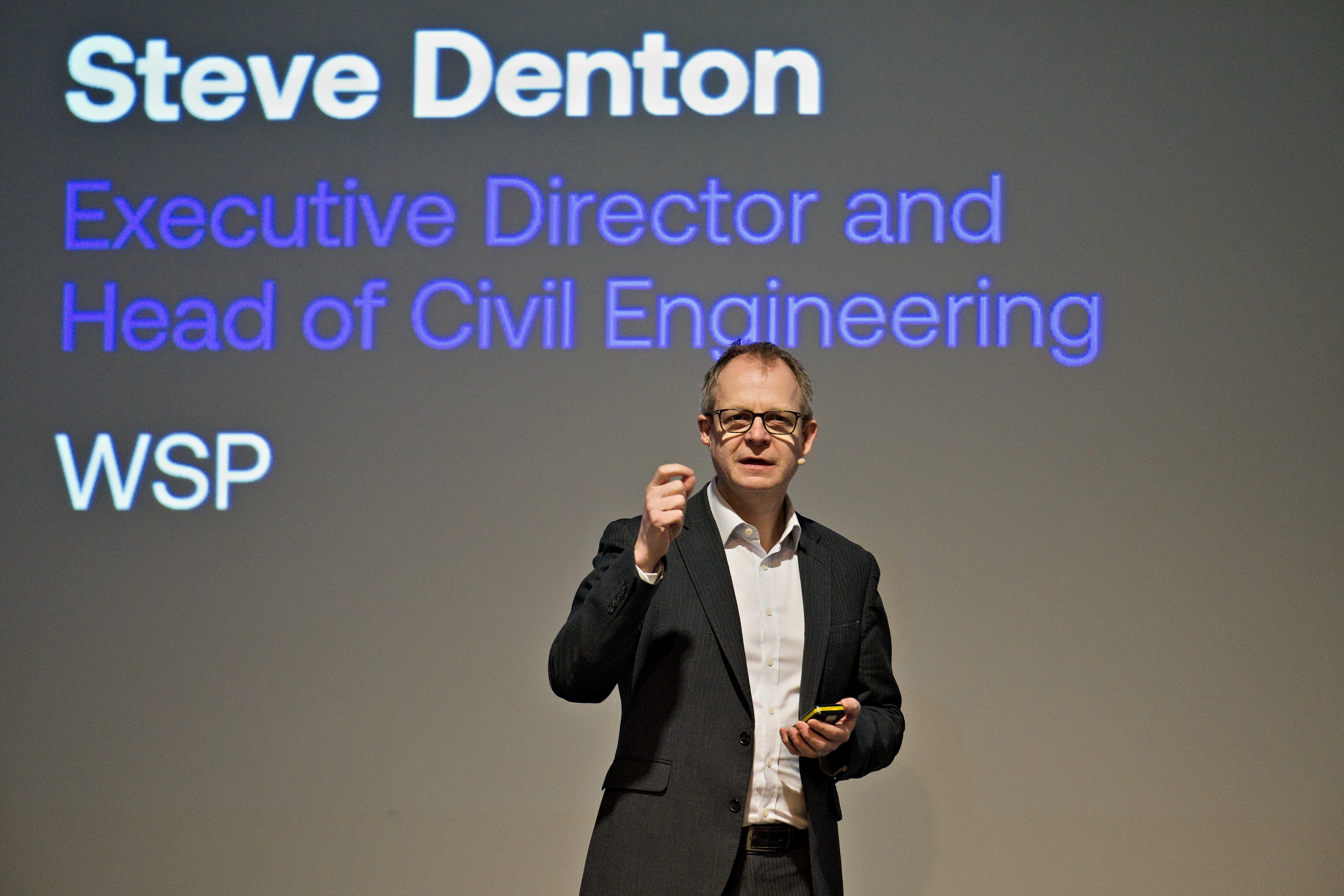 These challenges were brought into even sharper focus by Steve Denton, executive director and head of civil engineering, WSP, who examined the role of engineering judgement in decision-making. He opened his keynote speech, saying, “The reality is that we need to make really difficult decisions… do I leave that bridge open; do I close it; do I weight restrict it?” He then went on to highlight the balance between data, risk and professional judgement in a thought-provoking session spanning philosophy and maths.
Innovation in practice: muon tomography
This year’s theme, “Introducing Change,” was arguably best reflected in a presentation on an emerging technique known as muon tomography, which uses ambient sub-atomic particles to reveal hidden structural details where records are incomplete. Its application at Llanrhystud Bridge in Wales demonstrated how such innovations can support a more informed, data-led approach to asset management.
The human factor
Nonetheless, managing these growing data sets and collaborating across stakeholder groups to ensure they are used effectively continues to be where people can make the real difference. This human element, and the energy of bringing the sector together around a shared purpose, is what continues to make the Bridges Conference a critical date in the engineering calendar.